
A little pause can do more than you think.
Mindfulness isn’t just about sitting quietly, taking deep breaths or trying to clear your mind. There is growing scientific interest in how regular mindfulness practice influences the brain, nervous system and the way we respond to everyday experiences.
Our brains are constantly adapting. The thoughts we pay attention to, the habits we repeat and the experiences we have all play a part in how we think, feel and respond. Mindfulness offers an opportunity to become more aware of these patterns and practise responding differently.
Let’s explore five interesting things researchers have discovered about the brain and mindfulness.
1. Your brain’s alarm system: Understanding the ‘Amygdala’
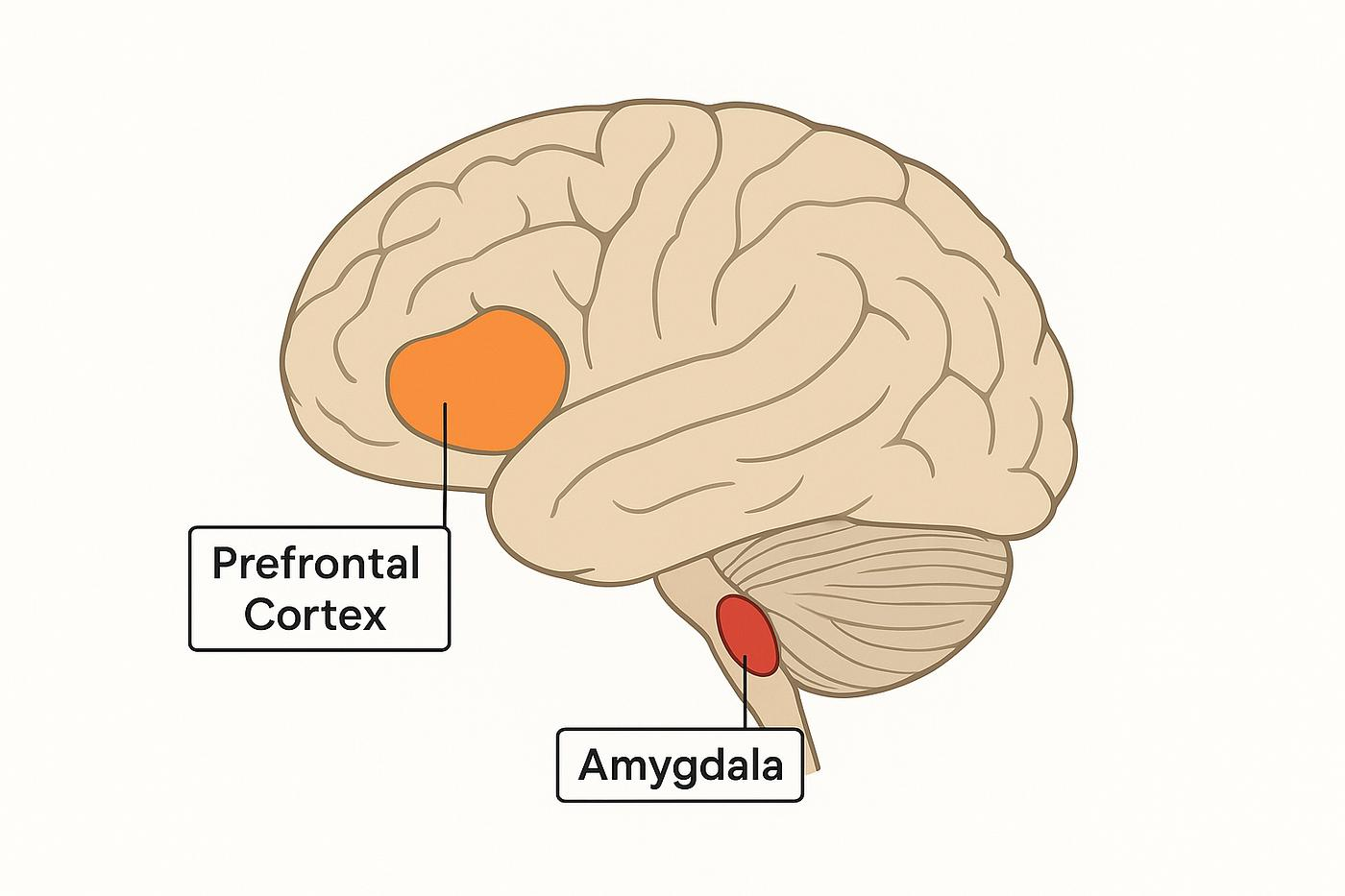
From automatic reactions to thoughtful responses: Deep inside the brain is a small structure called the amygdala. It plays an important role in processing emotions, particularly fear and potential threats.
Think of it as part of your brain’s alarm system. When something feels threatening or overwhelming, the amygdala helps activate responses that prepare your body to react. This can mean a racing heart, tense muscles or a sudden urge to fight, flee or freeze.
Mindfulness may help change how we respond to these emotional triggers. Research has found associations between mindfulness and reduced amygdala reactivity to emotional stimuli.
Why this matters: We may become better at recognising when we’re getting overwhelmed instead of automatically reacting to every difficult situation.
A little reminder: Not every uncomfortable feeling is an emergency. Sometimes, a pause gives us the opportunity to choose our response.
2. The thinking brain: Supporting focus and decision-making
Pause creates possibility
The prefrontal cortex, located towards the front of the brain, plays an important role in planning, attention, decision-making and controlling impulses.
Imagine getting into an argument, receiving disappointing news or becoming frustrated with a difficult task.
Our first reaction might be to snap, give up or act without thinking.
Mindfulness encourages us to notice what is happening before responding. With practice, we can become more aware of our thoughts and emotions and give ourselves a little more space to make a conscious choice.
Brain-imaging research has explored changes in activity and communication involving the prefrontal cortex in people practising mindfulness.
Why this matters: Greater awareness can support concentration, thoughtful decisions and more considered responses.
A little reminder: You may not control your first reaction, but you can practise becoming more aware of what happens next.
3. Your nervous system: Finding the balance between alertness and relaxation
Breathe in. Slow down. Notice.
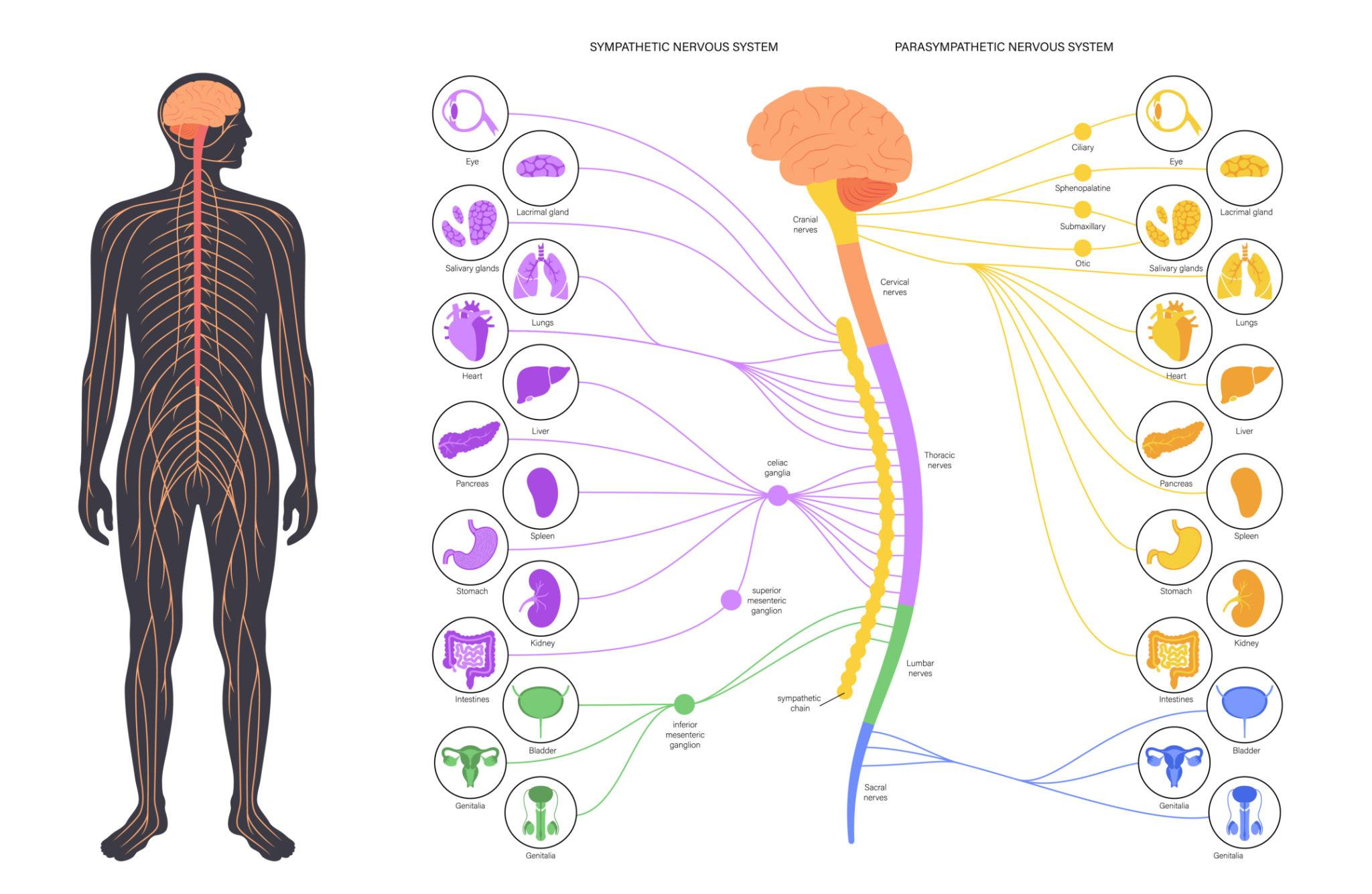
Your autonomic nervous system helps regulate many automatic body functions, including heart rate, breathing and digestion.
It includes two important branches:
- Sympathetic nervous system: Helps prepare the body for action, often described as the fight-or-flight response.
- Parasympathetic nervous system: Supports rest, recovery and digestion.
Both are essential. We need to be alert when facing challenges and able to relax when the situation allows.
Mindful breathing and other relaxation practices may help support the body’s calming response. Paying attention to your breath can also help you recognise when you are tense or rushing.
Why this matters: Learning to recognise stress and make time to unwind can help us look after our physical and emotional wellbeing.
A little reminder: Your body deserves moments of rest just as much as your mind needs moments of quiet.
4. The emotional connection: Learning to feel without being overwhelmed
Feel it. Understand it. Choose your response.
Have you ever reacted to something in the heat of the moment and wished you had responded differently?
Emotional regulation is the ability to recognise, understand and manage our emotional responses.
The brain doesn’t have just one emotional centre. Different regions work together to help us recognise feelings, interpret experiences and decide how to respond.
Research suggests mindfulness may influence communication between brain networks involved in emotional processing and regulation.
This is particularly interesting for children and teenagers who are still developing their emotional awareness and learning how to navigate friendships, frustration, disappointment and everyday pressures.
Why this matters: Mindfulness can help us notice an emotion without immediately acting on it.
A little reminder: You don’t have to ignore an emotion or push it away. Sometimes, simply recognising what you feel is the first step.
5. Neuroplasticity: Your brain’s ability to keep learning
What you practise can shape what you become better at.
One of the most fascinating things about the human brain is its ability to adapt and change. This is known as neuroplasticity.
Throughout life, our brains continue to respond to learning, experiences and repeated activities.
When we practise paying attention, noticing our emotions or returning our focus to the present moment, we are exercising skills that can become more familiar with repetition.
Researchers have investigated whether mindfulness training is associated with changes in brain structure and function, including regions involved in attention, emotional processing and self-awareness.
The findings are promising, although structural changes are not guaranteed and research is still developing.
Why this matters: Mindfulness isn’t about becoming a different person overnight. It is about practising small skills that can gradually influence how we approach everyday life.
A little reminder: Every time you notice your attention wandering and gently bring it back, you have another opportunity to practise being present.
So, what does all this mean?
Our brains are not fixed. They continue to adapt throughout our lives.
Mindfulness gives us an opportunity to become more aware of our thoughts, feelings and reactions. It can help us practise attention, develop emotional awareness and make more thoughtful choices.
And the best part? Getting started doesn’t need to be complicated.
You don’t need special equipment, a particular place or hours of practice.
Start with one conscious breath. One moment of awareness. One small pause.
Because sometimes, the smallest moments of practice can become the beginning of meaningful change.
Pause. Recharge. Reflect.
Leave a Reply