
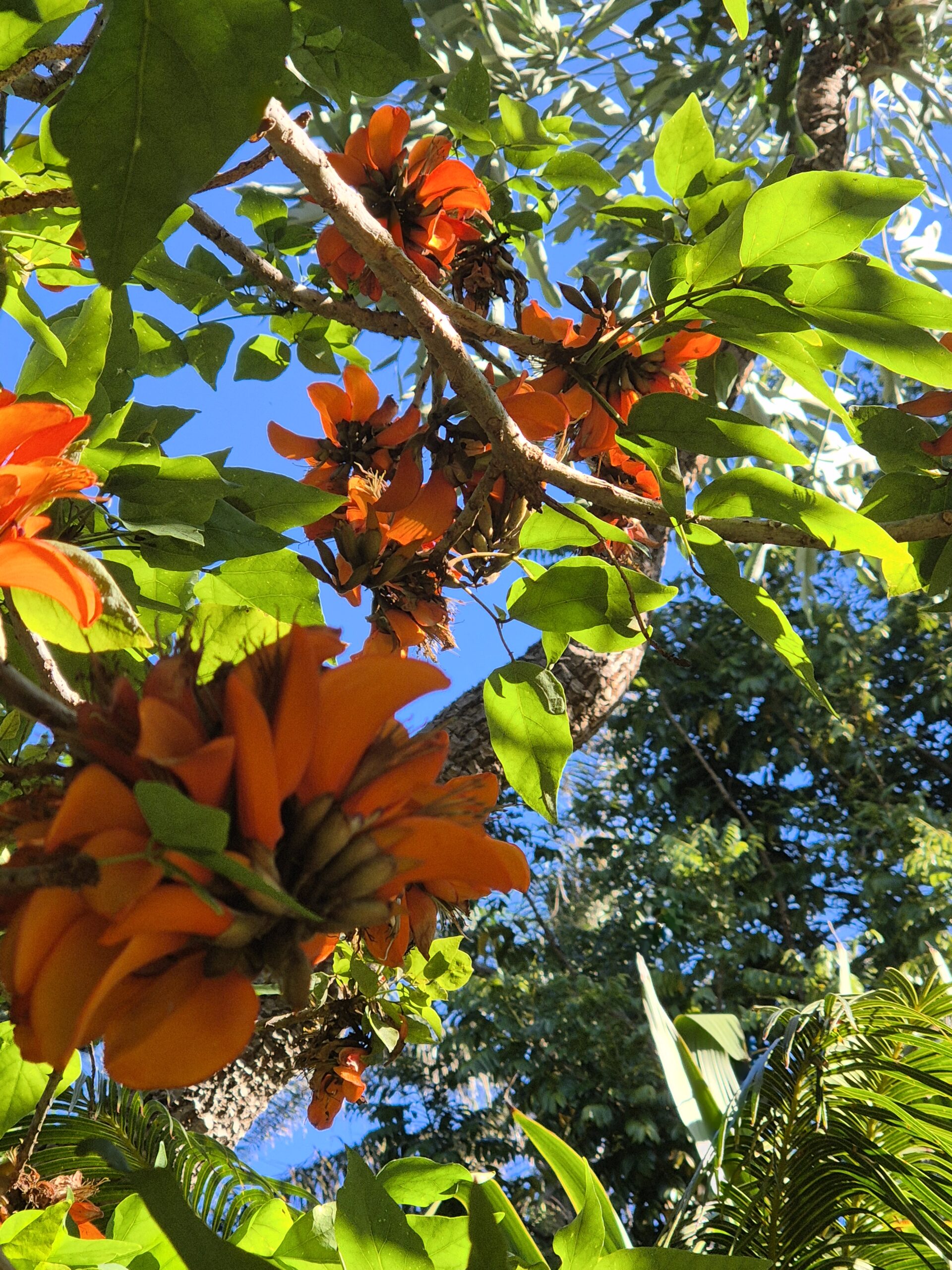
When was the last time something in nature made you stop, look again and simply say, ‘Wow!’?
Sometimes, all it takes is a moment that makes us stop, look around and feel a little more connected to the world.
We often talk about mindfulness as the practice of being present. We encourage children to slow down, breathe, pay attention and appreciate what is around them. But what if there is another, more natural way to begin?
What if we started with awe?
That feeling of wonder when you stand before a magnificent waterfall, look up at a sky full of stars, walk beneath enormous trees or notice something so beautiful that, for a moment, you forget everything else.
You stop thinking about what is next. You stop rushing. You simply take it all in.
When everything starts looking the same
Have you ever planned a lovely family drive, excited about the destination, only to hear someone in the back seat ask, ‘Are we there yet?’
It happens with my son at times. He isn’t particularly enthusiastic about long road drives. The thought of spending hours in a car, passing one stretch of trees after another, doesn’t always excite him.
And I can understand that. From a teenager’s perspective, another road, another forest, another hill and another similar-looking landscape can feel rather repetitive.
But something changes as soon as we are about to reach our destination.
A walk through nature, the sound of a waterfall, an unexpected viewpoint or even an interesting trail can completely change his mood. Suddenly, there is curiosity, excitement and appreciation. He starts noticing things, takes in the surroundings and becomes part of the experience rather than someone simply waiting for it to end.
Perhaps the difference is that being inside a car and looking at nature is not quite the same as being outside and experiencing it.
It makes me wonder how often do we miss these moments because we are too busy waiting for something more exciting to happen or experience the world from a distance. We see things passing by, but don’t always stop long enough to connect with them.
And perhaps this is something we can all learn from. Perhaps the problem isn’t that everything looks the same. Perhaps we haven’t yet learned to look differently.
Not everyone automatically finds nature fascinating.
Some children love forests and wildlife. Others would much rather be indoors playing games, watching videos or doing something that feels more exciting. Some people look at a mountain range and see a beautiful view. Others see another mountain range.
And that’s okay.
We shouldn’t make children feel that they are doing something wrong because they don’t immediately appreciate a sunset or get excited about a walk through the woods.
But perhaps we can gently encourage them to look beyond the obvious.
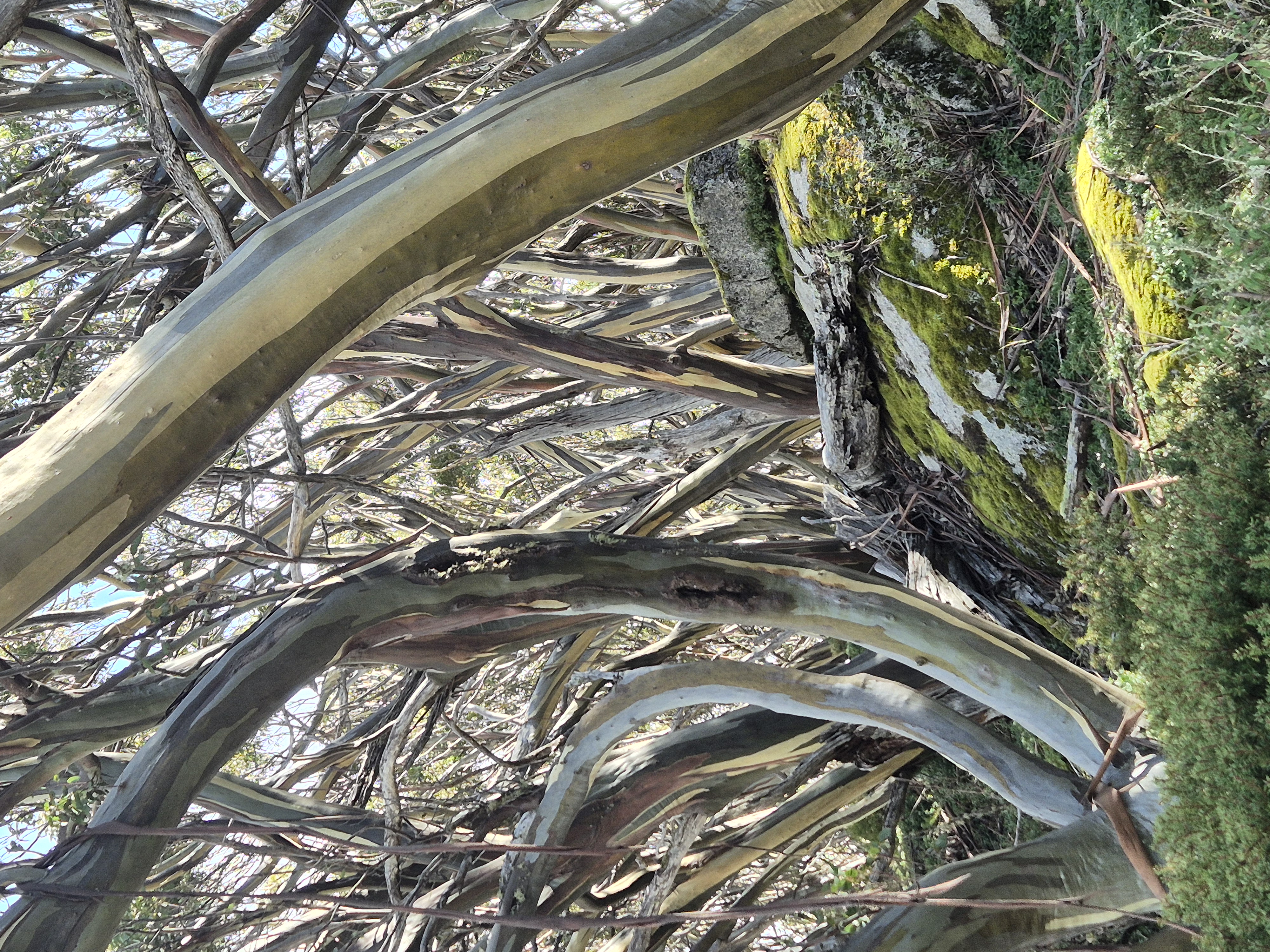
One tree might look much like another from a distance. But look closer. Notice the patterns on its bark, the way its branches stretch in different directions, the tiny insects living around it or the sunlight filtering through its leaves.
A walk can become an exploration. A rock can become a curiosity. A waterfall can become a reminder of the extraordinary things happening in the natural world every second.
Sometimes, it isn’t the scenery that needs to change. It’s the way we experience it.
What does it really mean to experience awe?
Awe is that feeling of wonder we experience when something seems bigger, more beautiful or more extraordinary than our everyday understanding of the world.
It might be standing beneath a giant tree, watching ocean waves roll towards the shore, seeing the colors of a sunset or looking at the Milky Way on a clear night. It can be found in the intricate pattern of a leaf, a tiny insect carrying something many times its size, the way sunlight filters through branches or the sound of rain falling on a quiet afternoon.
But awe doesn’t always need a spectacular landscape. It could also be witnessing an act of extraordinary human kindness. It can be found in ordinary, everyday moments when we give ourselves the opportunity to notice.
What makes awe particularly interesting is that it can shift our attention away from ourselves for a little while.
Our everyday worries don’t necessarily disappear, but they can seem smaller when we experience something that reminds us how much more there is to the world.
And this is where awe and mindfulness meet.
When something genuinely amazes us, we naturally become more attentive. We listen, observe, feel and take notice. We don’t necessarily need to be told to stay in the present moment. The experience draws us into it.
Mindfulness is often explained as paying attention to the present moment, without immediately judging or rushing through it.
Finding a connection with something bigger
There is also a beautiful spiritual dimension to experiencing awe.
Across cultures and traditions, nature has often been a place where people find stillness, perspective and a sense of connection with something greater than themselves.
You don’t have to follow a particular religion or spiritual practice to experience this.
It might happen when you look up at an endless night sky and realize how vast the universe is. Or when you stand beside the ocean and feel how small your everyday worries seem in comparison. Nature reminds us that we are part of something much bigger than our individual routines and concerns. Sometimes, simply watching the stars on a clear night or listening to waves breaking against the shore can leave you feeling connected to something beyond words.
For children, these moments can gently encourage questions about life, the universe, creation, our place in the world and our responsibility towards other living things.
We don’t need to have all the answers but only allow ourselves to wonder will be enough.
We don’t have to teach awe. We can create opportunities for it.
Children are naturally curious, but as they grow older, routines, screens, schoolwork and busy schedules can gradually take up more of their attention.
We shouldn’t turn appreciating nature into another activity they have to complete or another lesson they have to learn. Instead, we can create little opportunities for wonder.
Here are a few ways to begin.
1. Look up, not just ahead
The next time you are outdoors, encourage your child to look up. Notice the height of the trees, the shape of the clouds, birds flying overhead or the changing colors of the sky.
Ask: What do you notice when you look up that you hadn’t noticed before?
2. Find something extraordinary in something ordinary
Choose a tree, a flower, a rock or even a patch of moss. Spend a few moments observing it.
Look closely at its patterns, colors, textures and details.
Ask: What makes this little thing interesting?
3. Let the destination become less important
On your next family outing, don’t make everything about reaching the waterfall, lookout or picnic spot.
Allow time for little stops, unexpected discoveries and unplanned walks.
Sometimes the best moments happen between destinations.
4. Listen to nature
Find a quiet spot and spend a minute listening. What can you hear? Wind, birds, leaves moving, insects, flowing water?
Try to identify three sounds you might normally overlook.
5. Follow their curiosity
If your child wants to examine a strange-looking leaf, follow an insect or ask why a waterfall never seems to run out of water, let that curiosity lead.
You don’t need to turn every question into a science lesson. Explore together.
6. Capture the feeling, not just the photograph
We often take photographs of beautiful places, but how often do we pause before reaching for the camera?
Encourage children to take a moment to absorb the view first. What do they feel? What would they remember about this place?
A simple Recharge Moment: Find Your Awe
Try this the next time you visit a park, beach, garden, forest or even your own backyard.
Give yourself and your child five minutes.
- Pause: Stop walking and put away your phone.
- Look: Find something that catches your attention.
- Notice: Look at its details. What makes it interesting?
- Listen: Take in the sounds around you.
- Wonder: Ask yourself, what is something about this place I never really noticed before?
And then, if you feel like it, share what surprised you.
There is no right answer, no score and no expectation to feel anything particular.
Just five minutes of being present.
We don’t have to travel far to find wonder
Life gets busy. Children have school, homework, activities, friendships and screens competing for their attention. Adults have their own endless lists of responsibilities.
We often plan experiences around what we are going to do, where we are going to go and achieve but wonder doesn’t require a holiday or an expensive family adventure.
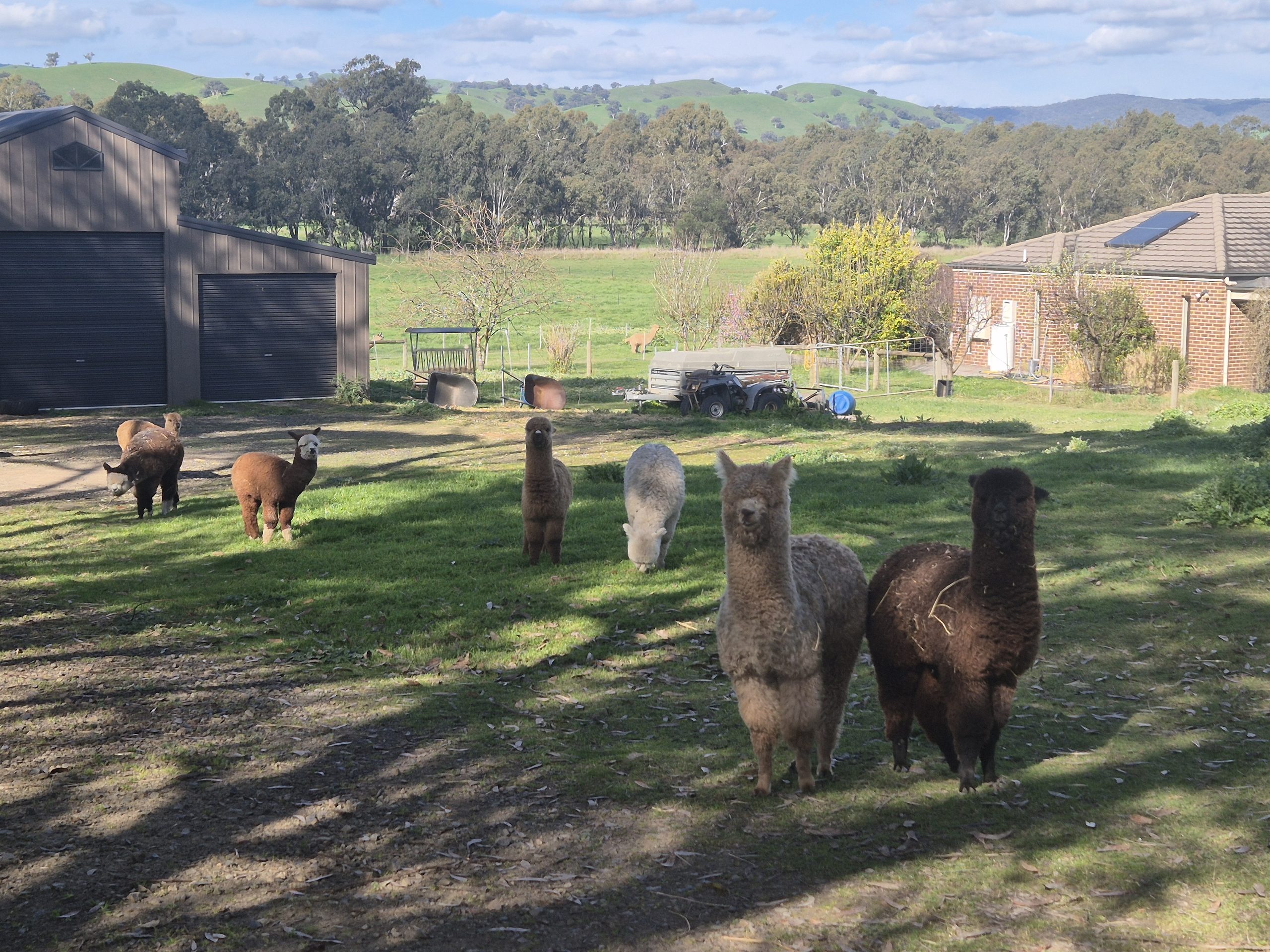
It might be in the tree outside your window, the moon appearing between buildings, the first flower of spring or the way raindrops gather on a spider’s web. It could be a walk simply because the weather is lovely, a quick stop to watch the hills on your way, spending a few minutes beside a flowing stream or looking at the stars without needing to know the names of the constellations.
These moments may seem small, but they give us opportunities to reconnect with ourselves, with nature and with the world around us.
And perhaps, over time, children who are encouraged to pause, to notice and appreciate the world will also develop a deeper curiosity about it and care more deeply about it.
A little reminder from Recharge Moments: Pause. Recharge. Reflect. And don’t forget to make room for wonder.
Leave a Reply