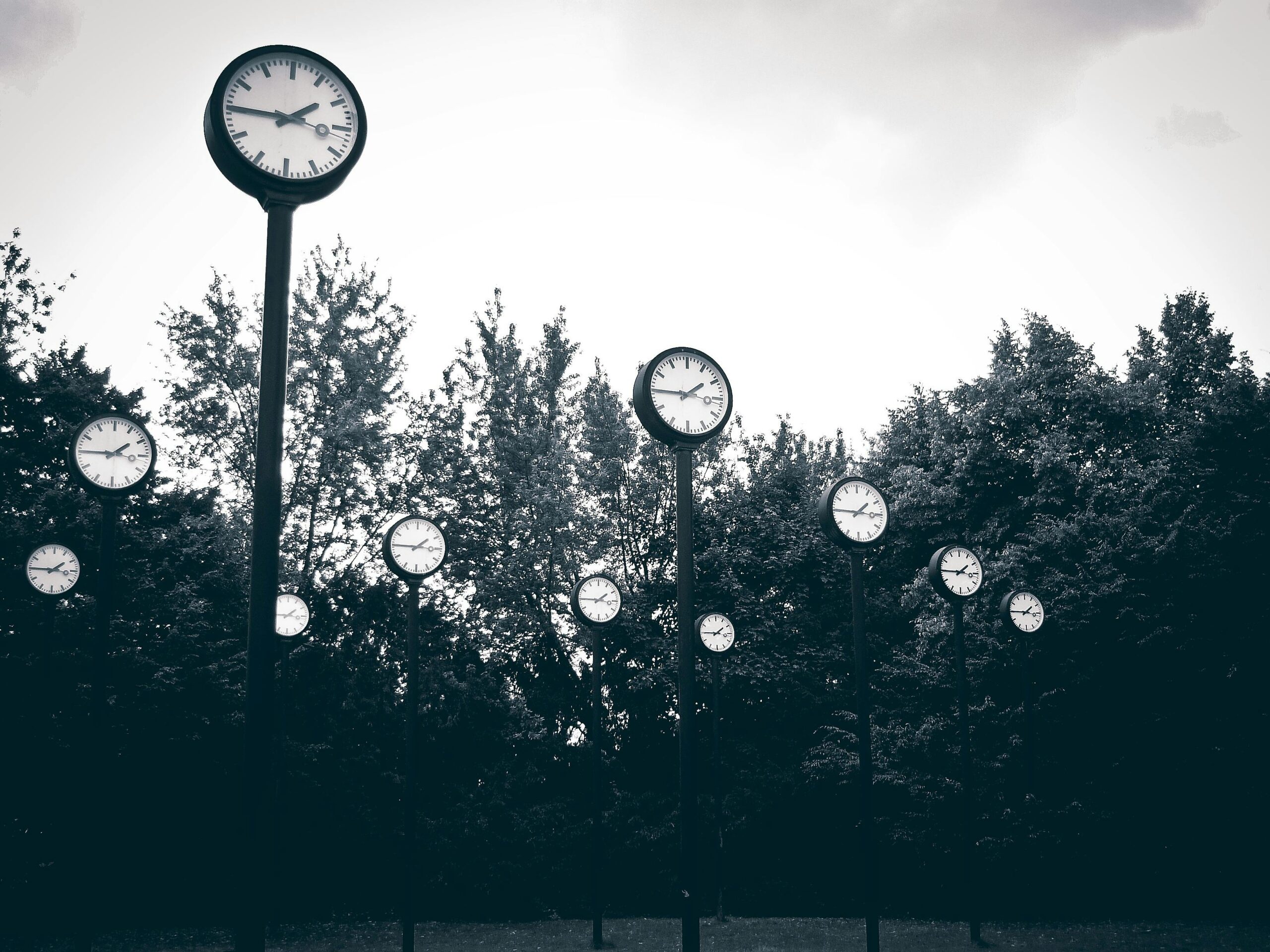
Neuroscience reveals that stressed brains literally experience time differently. When you’re overwhelmed, your temporal lobe processing slows down, making minutes feel like hours while entire days vanish without memory. You’re not running out of time; you’re losing your ability to experience it effectively.
Did you know?
Knowledge workers switch tasks every 3 minutes and take 23 minutes to regain focus. If you check email 50 times per day (the average), you’re losing 19 hours weekly to task-switching recovery. That’s half a work week evaporating into the attention void.
Flow state research reveals the secret
When fully engaged, the brain’s default mode network (responsible for self-criticism and time anxiety) goes offline. You can literally expand your experience of time by achieving deeper states of focus and presence.
Harvard Business School research proves that people who give time away (helping others, volunteering) actually feel more time-rich. The act of “time gifting” rewires your perception from scarcity to abundance.
Here are 22 time-bending techniques for maximum temporal leverage:
Instant time expansion
1. The Time Audit Ambush
For one day, set a random alarm every 30 minutes. When it rings, immediately note what you’re doing and rate its importance (1-5). This reveals where your time is actually going versus where you think it goes.
2. The 2-Minute Rule Weaponized
Any task requiring less than 2 minutes gets done immediately—no exceptions, no “later” pile. This prevents small tasks from snowballing into time-consuming administrative mountains.
3. Meeting Time Boxing Ambush
Cut all meeting times by 25% without telling participants. Watch how the same outcomes emerge in 45 minutes instead of 60. Parkinson’s Law in action: work expands to fill time available.
4. The Email Batching Fortress
Check email only at 10 AM, 2 PM, and 5 PM. Outside these windows, your email is closed completely. This single change can reclaim 2.5 hours daily from reactive email browsing.
5. The Phone Call Time Machine
Make calls while walking, cleaning, or doing simple tasks. Transform “dead time” into productive time by stacking communications with physical activities.
Focus force multipliers

6. The Pomodoro Power-Up
Work in 25-minute focused sprints with 5-minute breaks. But here’s the hack: during breaks, do the opposite of your work (physical if you’re mental, creative if you’re analytical).
7. The Transition Ritual
Create a 30-second ritual between tasks: close eyes, take 3 breaths, state your next objective aloud. This prevents attention residue from contaminating new tasks.
8. The Single Tab Rule
Keep only one browser tab open at a time. This simple constraint eliminates the cognitive load of managing multiple information streams and prevents digital multitasking.
9. The Phone Flip Focus Lock
Place your phone face-down and out of arm’s reach during focused work. Studies show even the presence of a visible phone reduces cognitive capacity by 10%.
10. The Background Noise Optimizer
Use brown noise (lower frequency than white noise) or instrumental music at 60-70 decibels. This optimal audio environment can increase focus duration by 43%.
Digital time recovery
11. The Notification Assassination
Turn off ALL non-essential notifications. Every ping is a 23-minute recovery penalty. Keep only calls and truly urgent apps (define “urgent” as “someone might die”).
12. The App Time Trap Detector
Use screen time tracking to identify your biggest time-wasting apps. Set daily limits that automatically lock you out after your threshold. Make digital distractions physically impossible.
13. The Social Media Time Box
Designate one 15-minute period daily for social media consumption. Outside this window, apps are blocked or deleted. Transform mindless scrolling into intentional connection.
14. The Email Auto-Response Shield
Set an auto-responder explaining you check email 3 times daily and will respond within 24 hours. This manages expectations while protecting your attention from reactive communication.
15. The Digital Sunset Protocol
All screens off 1 hour before bed. This improves sleep quality (giving you more effective rest in less time) and prevents late-night digital rabbit holes.
Scheduling optimization
16. The Calendar Tetris Method
Block identical tasks into contiguous time blocks. Answer all emails together, make all calls in sequence, batch all administrative work. Context switching is the enemy of time efficiency.
17. The Meeting-Free Zones
Protect 2-hour blocks daily where no meetings can be scheduled. Use these for your most important creative or strategic work when your energy is highest.
18. The 15-Minute Buffer Rule
Add 15-minute buffers between all appointments. This prevents the domino effect of one late meeting destroying your entire day’s schedule.
19. The Priority Parking Method
Schedule your three most important tasks for your three highest-energy periods (usually morning). Everything else is secondary and gets the leftover time slots.
20. The Sunday Time GPS
Spend 15 minutes every Sunday mapping the upcoming week’s priorities and time blocks. This weekly planning prevents daily decision fatigue about what to work on next.
Micro-efficiency multipliers
21. The Template Revolution
Create templates for recurring communications: meeting agendas, project updates, common email responses. This can save 1-2 hours weekly on repetitive writing tasks.
22. The Voice-to-Text Speed Hack
Use voice-to-text for emails, notes, and first drafts. Speaking is 3x faster than typing and can transform lengthy writing tasks into quick voice memos that get refined later.
Leave a Reply