
We live in a world that constantly pulls our attention in a hundred different directions. Our minds replay the past, rehearse the future, and rarely pause in the present. Mindfulness offers something different. It is a return to the NOW.
Understanding mindfulness begins with recognizing that it is not about clearing your mind or achieving perfection. It is about noticing. Noticing your thoughts, your emotions, your body, and your surroundings without any judgment.
When we understand mindfulness, we begin to see that awareness is a skill. And like any skill, it can be gently practiced and strengthened over time.
This section will help you explore what mindfulness truly means.
ABC of Mindfulness
A — Awareness
Noticing what’s happening inside and around you.
Prompt: What am I feeling right now?
B — Breathing
Using your breath as an anchor to return to the present.
Prompt: Take three slow breaths. Feel your body soften.
C — Compassion
Being kind to yourself, especially when things feel hard.
Prompt: What would I say to a friend in this moment?
Pause for a moment…
When was the last time you experienced something fully without distraction?
Mindfulness begins in that pause.
It is not about becoming someone new. It is about becoming more aware of who you already are. It about noticing your patterns, your reactions, your habits, and your strengths.
Understanding mindfulness helps us recognize that we often operate on autopilot. With awareness, we gain the ability to respond instead of react. To choose instead of rush. To connect instead of numb.
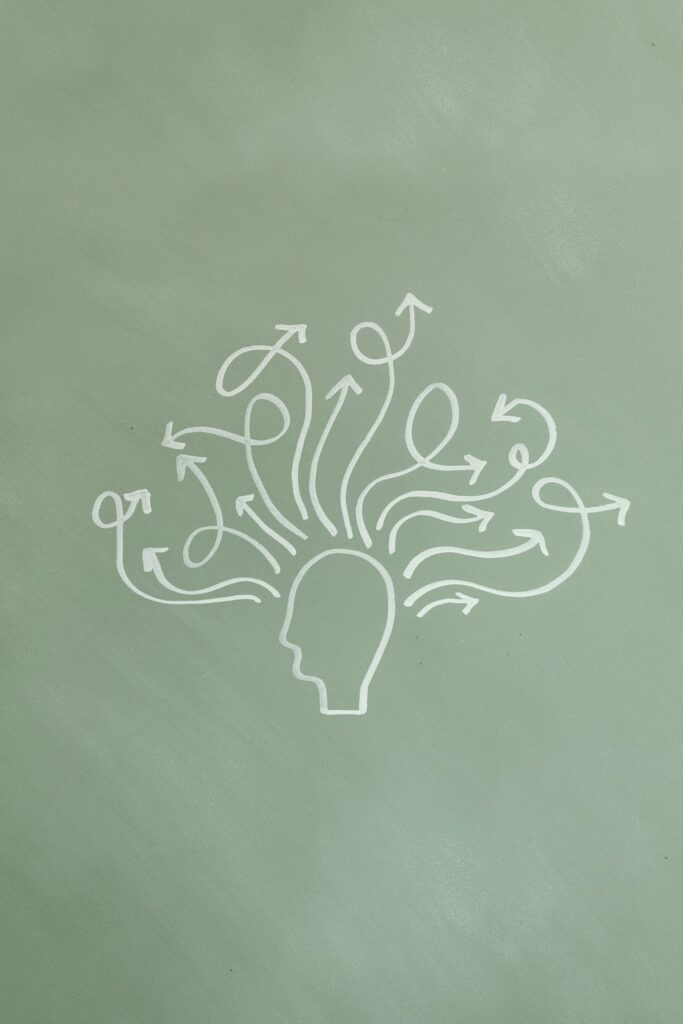
Science behind mindfulness
Mindfulness helps shift the brain from reactive mode to responsive mode. Understanding how the brain works can transform how you do and adapt mindfulness.

Benefits of mindfulness
When practiced regularly, mindfulness creates subtle yet powerful shifts in how we think, feel, and respond to life. It doesn’t eliminate challenges but changes our relationship with them.

Starting your mindful journey
Mindfulness starts small – with a breath, a sensation, a single act of awareness. The goal isn’t to empty your mind but to gently return to the present when it wanders.
- What would change if you slowed down for just one minute today?
- Are you living the moment or just moving through it?
- What would change if you gave this moment your full attention?
- Take one breath. You’ve already begun.

Being mindful doesn’t require hours of meditation.
Mindfulness can happen while sipping tea, walking, listening to your child, or simply breathing.
Key points:
- being fully present in everyday activities
- paying attention to now
- observing thoughts instead of reacting instantly
- accepting feelings without labeling them “good” or “bad”
- being fully present in everyday activities