
In Australia, a new law now bans people under 16 from using major social media platforms. This means many preteens and young teens will lose access to apps and online spaces that are a part of their everyday reality. For many, social media has been a way to connect with friends, explore identity, and share ideas so this sudden change, while aimed at protecting young people can stir up many feelings: confusion, relief, loss, anxiety, even relief or uncertainty about what’s next.
As we adapt to this shift, it’s worth pausing to think about what screen time and social media meant to young people, how reducing it might affect them emotionally, and what realistic steps can help them and their families stay grounded and supported through this transition.
Many studies show that high levels of screen use, especially scrolling social media or using interactive online platforms are linked with various emotional, social and physical difficulties in young people.
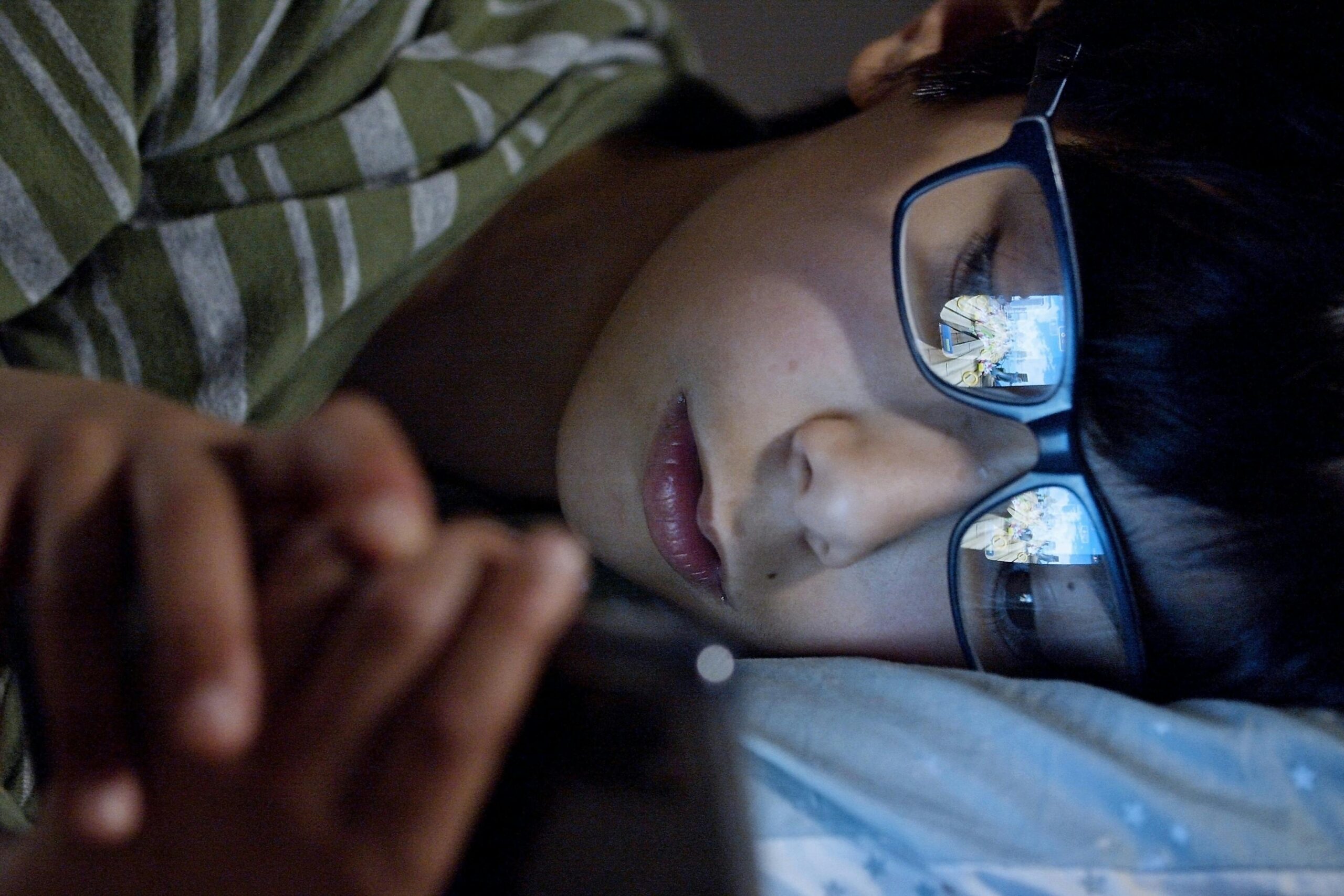
Some of the common issues researchers point out:
- Teens who spend a lot of time on screens (social media, games, browsing) often report higher levels of anxiety, loneliness, low self-esteem, or dissatisfaction with life.
- Physical effects like poor sleep, less exercise, eye strain, and more sedentary time are also common when screen time replaces active or social activities.
- Social skills and emotional development can be affected. One study found that excessive screen time over months or years can interfere with emotional wellbeing and social confidence.
- There’s growing evidence that social and emotional problems and heavy screen use can feed each other. This means that loneliness, stress, or anxiety might lead a teen to spend more time online, which then deepens those feelings.
That doesn’t mean all screen time is bad but the pattern, purpose, and amount of usage matters a lot.
What the new law changes & what it means for young people
From 10 December, social media accounts for under-16s in Australia will be deactivated or blocked on major platforms. Platforms will need to put in place age-verification measures or disable under-age accounts, or face large fines.
Under-16s will still be able to access other types of online services, such as health or mental-wellbeing forums, non-social-media websites, messaging or gaming services not classified as “social media.”
This page lists down what platforms are age-restricted under the new social media ban.
The emotional weight teens carry
Screens are not “just screens” for young people. They can be:
- a social circle
- a source of belonging
- a distraction from stress
- a place to express themselves
- a way to feel included
So when that access suddenly changes, it naturally shakes things up. Teens may feel:
- left out when peers talk about content they can’t see
- restless or bored when their usual downtime disappears
- worried about losing friendships that lived online
- frustrated with rules they didn’t choose
- sad or anxious about the loss of connection
- relieved to step away from the pressure of comparison
These reactions can appear as mood swings, irritability, silence, or even withdrawal.
None of this means something is “wrong.” It means something is changing and we all know that any change bog or small will take adjustment.
As screen time and social media use declines, some of the emotional and behavioural patterns to be aware of:
- Loneliness or social disconnection: if most social interaction was online, removal of that space can feel isolating.
- Sadness or emptiness: losing the routine of social media feeds, chats, validation, or engagement can feel like losing a social “home.”
- Restlessness or boredom: breaking a habit and not replacing it can leave a gap in the day.
- Reduced self-expression or creative outlet: many teens use social platforms for creating, sharing, and expressing identity. Losing access can feel silencing.
- Confusion about identity or belonging: social media often plays a role in shaping identity, interests, and social belonging.
That said, many teens will also experience relief such as less pressure to fit in, less exposure to negative content or comparison, more time for sleep, offline activities, and real-world connection.
What teens need most right now
Not lectures.
Not pressure.
Not criticism for “being on their phone too much before.”
They need:
- understanding
- patience
- routine
- creative outlets
- space to talk
- space not to talk
- gentle guidance
- encouragement
- parents who stay steady even when things feel messy
This transition can create stronger relationships, better emotional skills, and healthier habits. Remember to approach with empathy, curiosity, and calm.
Why parents are feeling anxious too
Parents are carrying their own emotional load through this transition. Many are quietly asking themselves:
- How do I help my child stay social without social media?
- Will this harm their friendships?
- How do I keep them safe without taking away their independence?
- What if they turn inwards or feel punished?
- Am I making the right choices?
Parents are not just managing rules but also navigating to how to manage emotions, expectations, routines, and their own worries.
Teen wellbeing improves when parents feel supported. So this is a moment for compassion in both directions.
Helping teens adjust without overwhelm
Here are calm, practical ways families can move through this shift together.
1. Start with connection, not Control
Instead of launching into rules or “benefits,” start with understanding.
Try:
- “I know this change feels big. Tell me what’s hardest right now.”
- “What do you miss most about your online spaces?”
- “How can I support you without taking over?”
Listening first lowers defensiveness and builds trust.
2. Fill the digital space with real-life connection
Removing something without replacing it creates a void.
Replacing it creates balance.
Support teens in exploring alternatives like:
- casual sports or movement-based hobbies
- creative time (art, music, digital drawing, making things)
- in-person hangouts or weekend meetups
- volunteering or community youth events
- nature-based activities such as beach walks, backyard gardening, short trails
- simple downtime rituals like journaling, reading, or craft
The goal is not to stay busy but to stay connected.
3. Build routines together (not against them)
Instead of strict “limits,” create a shared plan.
Some ideas:
- family charging spot for all devices
- screen-free hours (after dinner, early mornings)
- “balanced days” where screen days alternate with offline days
- a weekly check-in to adjust what’s working and what’s not
Teens are far more cooperative when they help design the structure.
4. Keep an eye on emotional signs
Look for gentle cues that the transition is becoming too much:
- trouble sleeping
- withdrawing from friends
- irritability that feels more intense than usual
- zoning out or restlessness
- reluctance to talk about their day
- ongoing sadness or frustration
These signs don’t require immediate intervention but just a soft check-in:
“I noticed you seem overwhelmed. I’m here if you want to talk.”
Small moments like this help teens feel grounded.
5. Support your own emotions too
Parents often forget to take care of their own stress during challenging transitions.
A few grounding reminders:
- You don’t need to know all the answers.
- You are allowed to feel unsure or worried.
- Asking other parents, teachers, or counsellors for support is healthy.
- You can adjust your approach anytime. Nothing needs to be perfect.
When you stay steady, teens feel safer exploring their own adjustment.
6. Celebrate offline wins, no matter how small
This period is a chance for teens to:
- discover new hobbies
- reconnect with nature
- strengthen face-to-face friendships
- explore identity without online comparison
- understand their emotions more clearly
- learn balance and boundaries
Small wins count
- A 10-minute walk.
- A new friend.
- A hobby rediscovered.
- A calmer evening.
Celebrate these moments quietly and sincerely.
A new way forward
This moment is not about losing something.
It’s about reshaping it.
Slowing down.
Rediscovering balance.
Reconnecting offline and within.
Teens and parents can move through this change as a team, even if it doesn’t feel that way every day.
You’re not supposed to have it all figured out. You just need to show up gently, consistently, and with an open heart.
Together, this new chapter can become one of the most grounding and connected phases yet.
Leave a Reply