There is a particular kind of exhaustion that sleep doesn’t fix. It’s the tiredness that comes from too many notifications, too many conversations, too many decisions and too much information arriving before we’ve even had the chance to process what came before it.
Sometimes you don’t need another solution. You just need to look a little further.
For many teens and honestly even for us adults life is lived at close range. We wake up and reach for our phones. We work with our eyes fixed on screens. We move between messages, meetings, deadlines and responsibilities. Even our moments of rest are often filled with scrolling, watching or listening to something.
Our attention is constantly being pulled in different directions.
And somewhere along the way, we have forgetton what it feels like to simply look out, rather than looking down.
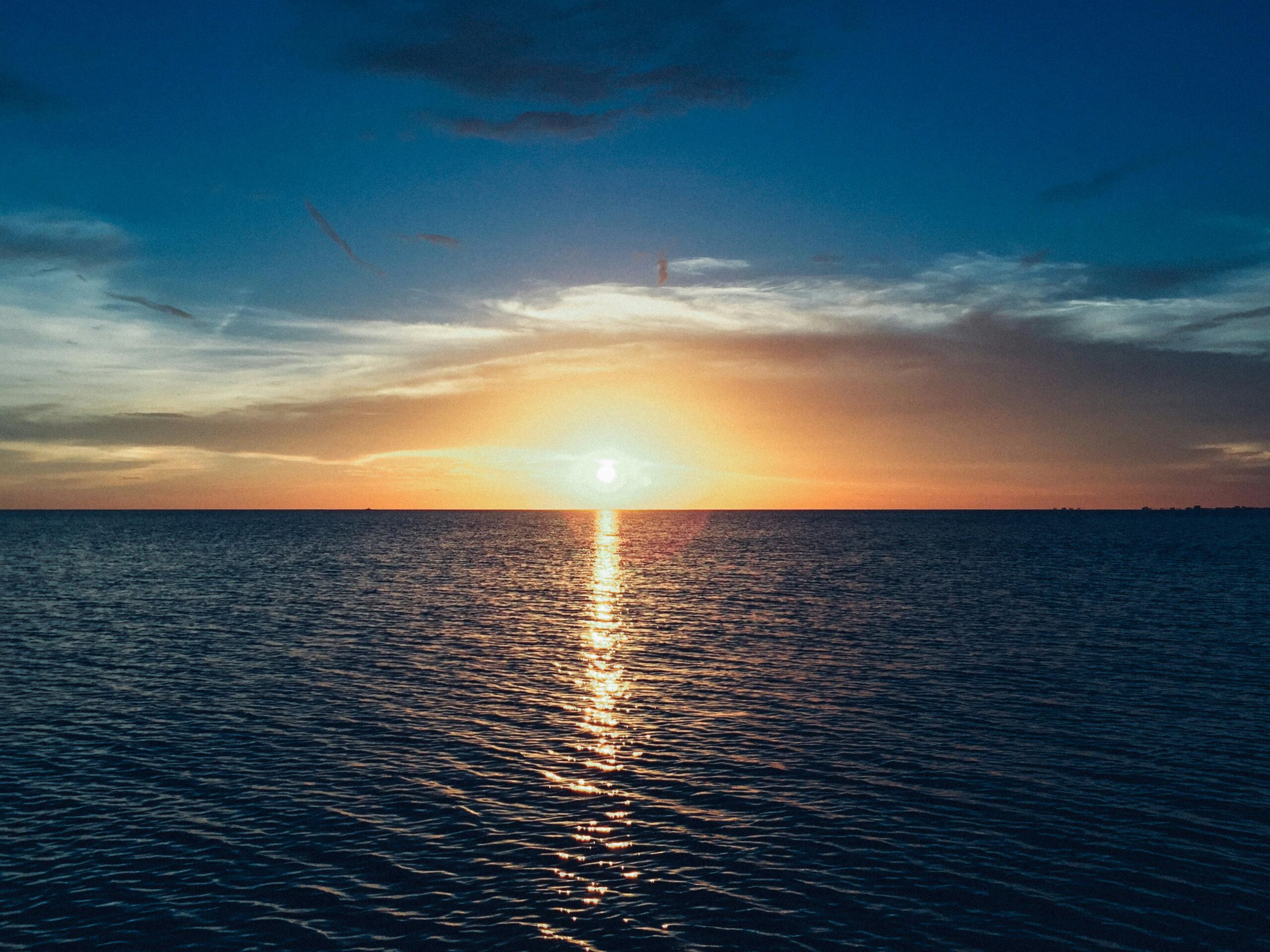
What if one of the simplest ways to interrupt this cycle was to find an open space, lift your eyes and borrow a horizon?
Our nervous system was not designed for this
Long before classrooms and the online socials, the human nervous system evolved in open landscapes. These included playgrounds, grasslands, shorelines and forest clearings.
Today the constant alertness is exhausting. Notice how much of your day is spent looking within arm’s reach. Your phone is a few inches from your face. Your laptop occupies most of your visual attention. You read messages, watch videos, complete tasks and move between windows. Even our conversations are happening indoors, framed by walls.
The result?
- Our shoulders feel tight.
- Our jaw is clenched without us realising.
- We find ourselves taking shorter, shallower breaths.
- Small interruptions feel disproportionately frustrating.
- Concentrating on one thing becomes harder.
- We feel restless, even when we finally have time to sit down.
Of course, these experiences can have many causes, including stress, tiredness, workload and lack of rest. But our surroundings and the way we use our attention are worth noticing too.
Sometimes, the first step towards feeling less overwhelmed is not adding another activity to our already crowded day but changing what we give our attention to.
The Beauty of Looking Further
There is something quietly refreshing about looking across an open landscape. A distant mountain. A stretch of ocean. Trees moving in the breeze. A wide school oval. An endless-looking sky.
Unlike a screen, an open view doesn’t demand that we click, respond, read or react. We can simply look.
Research into nature and wellbeing has explored how exposure to natural environments can support attention restoration, relaxation and emotional wellbeing.
You don’t need to organise a weekend getaway or travel to the mountains to experience this.
Even a small patch of sky can be enough to begin.
Why Teenagers Need Their Own Horizon
For teenagers, the world can feel particularly intense.
School expectations, friendships, social pressures, changing identities and the constant presence of digital platforms can create a lot of mental noise.
There is always something to respond to, compare, remember or worry about. Even when teenagers put their phones down, their minds may still be processing everything they’ve seen and experienced.
Instead of always telling young people to put their phones away, try offering them something interesting to look towards.
Recommended Tips: A walk after school. Sitting outside for ten minutes. Watching the clouds change shape. Looking across an open field. Walking near the water.
Remember, sometimes teenagers need company without conversation. Sometimes they need space without questions. Sometimes they simply need to exist somewhere that doesn’t ask anything of them.
The point is not where you go but about allowing yourself to look beyond the immediate demands of your day.
Borrow a Horizon: A 60-Second Reset
This is not a complicated mindfulness exercise. There is no special equipment, app or perfect environment required.
Just a minute of intentional looking.
Step 1: Find some distance
Look for the furthest comfortable point you can see.
It might be the school oval, a tree at the end of your street, a distant building, a stretch of grass or the horizon beyond the water.
Step 2: Let your eyes wander
Allow your gaze to move naturally across the wider view. Notice the shapes, colours, movement and space around you.
Don’t force your eyes to stare at one point.
Step 3: Release some tension
Check whether your jaw is clenched. Let your shoulders soften. Relax your forehead.
You don’t have to force your body into a particular position.
Step 4: Notice your breathing
Take an easy breath in and allow your exhale to be comfortable and unhurried.
There is no need to count or control every breath.
Step 5: Stay for a little while
Give yourself a full sixty seconds without checking your phone, answering a message or thinking about what needs to happen next.
Just be where you are. You may feel calmer. You may simply enjoy the view. You may notice that your mind is still busy. All of that is okay. The aim isn’t to achieve a particular feeling. It is to create a small interruption in the constant flow of demands.
A Little Challenge: How Far Can You Look?
Try this simple seven-day experiment: For one week, spend at least one minute each day looking towards an open or distant view.
At the end of each pause, ask yourself:
- What did I notice that I usually overlook?
- Did I feel any different afterwards?
- Was it easy to stop thinking about my to-do list?
- What did I enjoy about those sixty seconds?
- Where could I find more moments like this?
You could even keep a small Horizon Journal and record one thing you noticed each day.
Perhaps it was the colour of the sky, a bird crossing your view, the movement of trees or simply the feeling of having nowhere to rush.
Small observations can remind us that there is more happening around us than the things demanding our attention.
Leave a Reply